
Cervical Cancer Prevention Week 2018
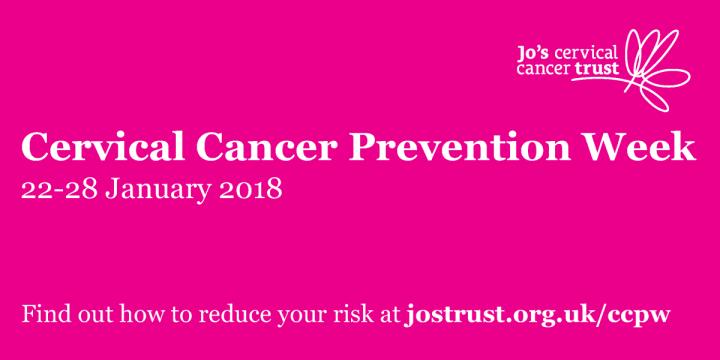
What is Cervical Cancer Prevention Week?
Cervical Cancer Prevention Week was formed to raise awareness of the extent of cervical cancer; every day in the UK 9 women are diagnosed with the disease. It also serves to highlight the true importance of never missing a smear test as 1 in 4 women do not attend this potentially life-saving test. The overall aim of cervical cancer prevention week is to emphasize the fact that by attending a cervical screening when invited, cervical cancer can be prevented.
According to Jo’s Cervical Cancer Trust, each year around five million women in the UK are invited for cervical screening (a smear test). All women who are registered with a GP are invited for a smear test every 3 years starting from 24 years of age, up until 49. From age 50-64, it’s every 5 years. If you are over the age of 65, you will only be invited to attend a smear test if you haven’t been screened since you were 50 years old or have recently received abnormal tests.
Data produced by Cancer Research UK suggests that 75% of cervical cancers are prevented by smear tests and states that the most common route to diagnosing the type of cancer is GP referral.
What are the warning signs of cervical cancer?
Often symptoms will go unnoticed until cancer reaches a more progressive stage. Common cervical cancer symptoms include:
- Bleeding after sex
- Bleeding after menopause
- Bleeding between periods
- Bleeding after douching
- Bleeding following a pelvic exam
- Having heavier menstrual periods than usual or ones that last longer than usual.
- Unusual vaginal discharge
- Pain during sex
If you think you are showing signs of cervical cancer and you’re unsure about what to do next, visit your local GP as soon as possible and they will be able to tell you whether you are displaying unusual signs related to the disease.
What are the cervical cancer risk factors?
Many factors contribute to a person’s risk of developing cervical cancer, such as age, genetics, and exposure to risk factors. Cancer Research UK reports that cervical cancer cases in the UK are linked to major lifestyle and other risk factors, including smoking, oral contraceptives, and high-risk human papillomavirus (HPV).
Further Cancer Research statistics illustrate that incidence rates for cervical cancer are projected to rise by 43% in the UK between 2014 and 2035. The organization also states that at least 1 in 135 women will be diagnosed with cervical cancer during their lifetime.
Is cervical cancer preventable?
Cancer Research UK affirm that there are preventable cases of cervical cancer in the UK, providing that the cancer is detected through a screening result of a smear test.
HPV vaccinations that prevent infection by certain types of human papillomavirus are recommended and usually administered to girls between the ages of 11-12. Sometimes, girls as young as 9 can have the HPV jabs.
Managing cervical cancer
Treatment for this type of cancer depends on how far cancer has spread. Cervical cancer treatment programmes are tailored to the needs of the individual suffering from the disease, such as the stage the cancer is at.
Getting Life Insurance with cervical cancer
A previous history of cancer doesn’t have to stop you from taking out Life Insurance. If you are a cervical cancer survivor, you may still have the right to take out a Whole of Life or Term Life Insurance policies. Insurers will want to review specific information such as; when you were diagnosed with the disease, how long it’s been since your last treatment, the stage of cancer, what therapies and treatments you received, any further incidences of cancer in your life, and the general state of your health. All these are a crucial part of the insurance underwriting decision. Usually, if a sufficient amount of time has passed, insurers will accept your application.
How Quick Quote Protect can help
If you suffer from cervical cancer or have been affected by the type of cancer through a friend or a family member and are looking to get Life Insurance, contact us today using the options below.
CALL US FREE ON 0800 1075545 or GET A QUOTE
Quick Quote Protect can help you save on insurance, get in touch with us today
Call us free on
0800 802 1020
Latest news
- AIG Life Is No Longer Selling Over 50s Life Insurance Plans
Thursday 23rd April 2020 - 3 (Bad) Reasons Parents Don’t Have Life Insurance
Friday 5th July 2019 - How to Avoid Inheritance Tax
Monday 17th June 2019 - 5 Reasons Why You Should Have Your Pension Reviewed
Friday 31st May 2019 - The Biggest Life Insurance Myth
Wednesday 22nd May 2019 - Only One Thing in Life is Certain
Thursday 25th April 2019
Insurance Resources

Full library of resources to learn more about the different types of insurance available
Insurance Resources